Heritage — A Traditional Neighborhood
There are neighborhoods you move through and neighborhoods you belong to. Heritage Community at Chaffee Crossing was designed from the beginning to be the latter — a walkable, traditionally planned neighborhood where streets are made for people, homes face each other across shaded sidewalks, and daily life unfolds at a human scale. It is, by any measure, the most carefully designed place in the Arkansas River Valley.
The master plan was created by Michael Watkins of Michael Watkins Architect, LLC — one of the most accomplished New Urbanist planners in the United States. Watkins began his career with Duany Plater-Zyberk & Company, the firm most responsible for defining New Urbanism as a movement, where he served as Town Architect for Kentlands, one of the first neo-traditional neighborhoods built in America. He is a contributor to Andres Duany’s SmartCode, has served as Town Architect for celebrated Traditional Neighborhood Developments including Norton Commons in Louisville, and is a member of the Congress for the New Urbanism. His master plan for Heritage established a rigorous traditional design standard — an architecturally coherent framework where the arrangement of streets, the relationship of buildings to the public realm, and the careful mix of housing types follow principles that have made neighborhoods lovable and lasting for centuries.
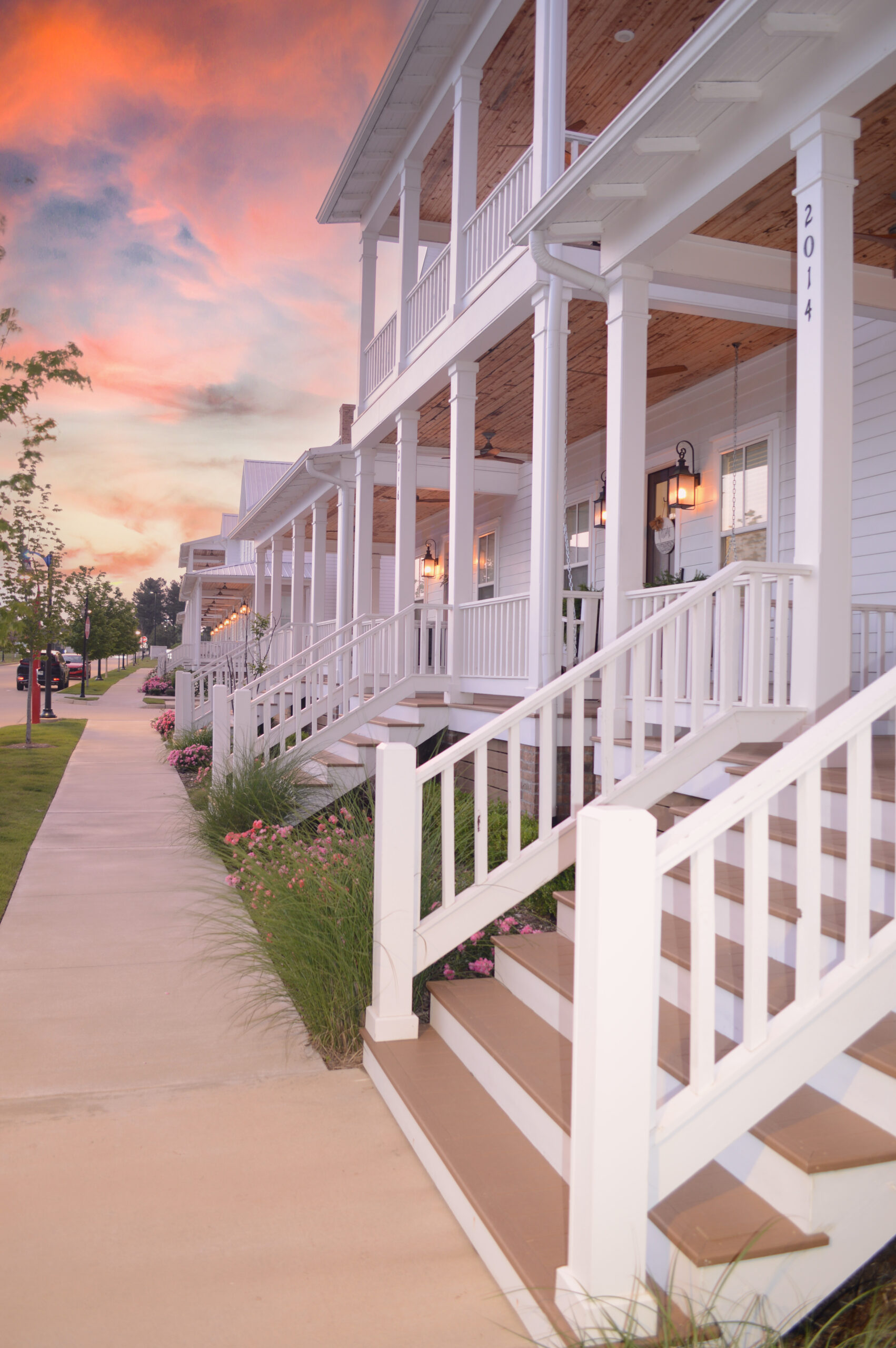
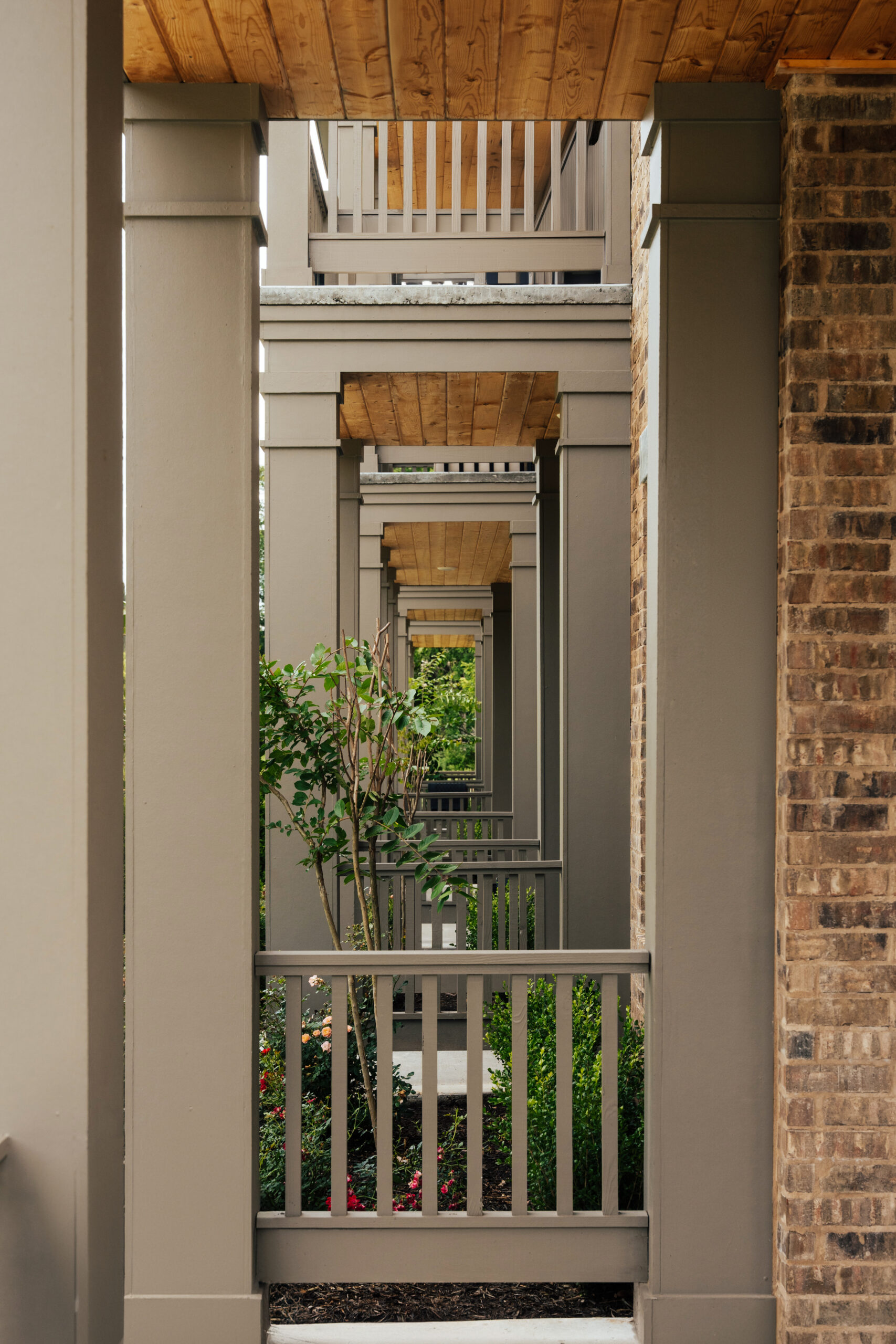
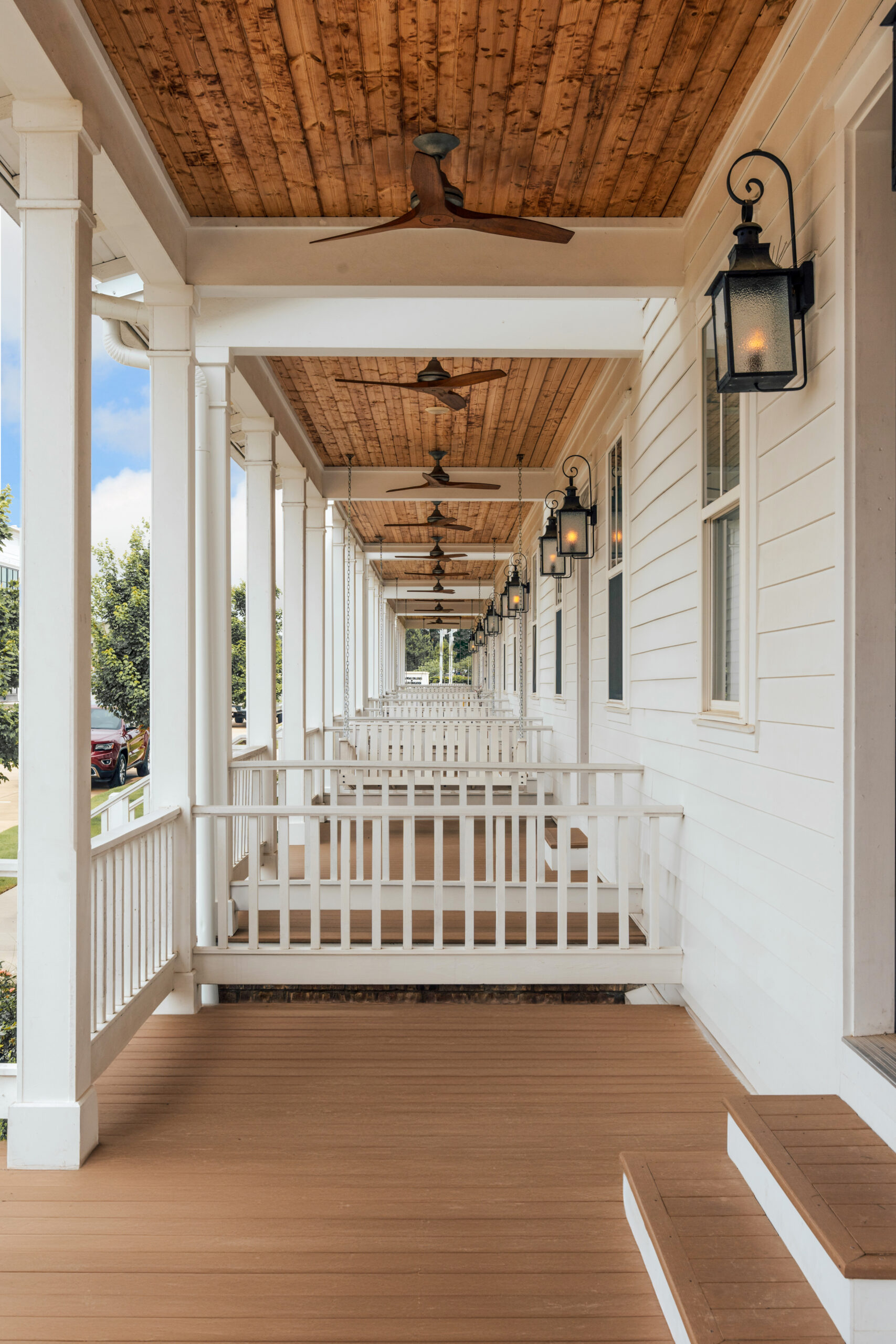
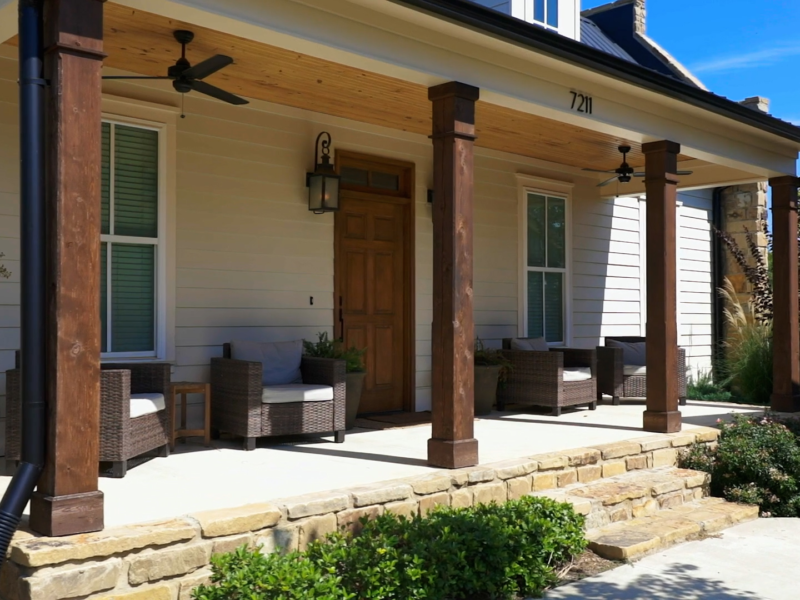
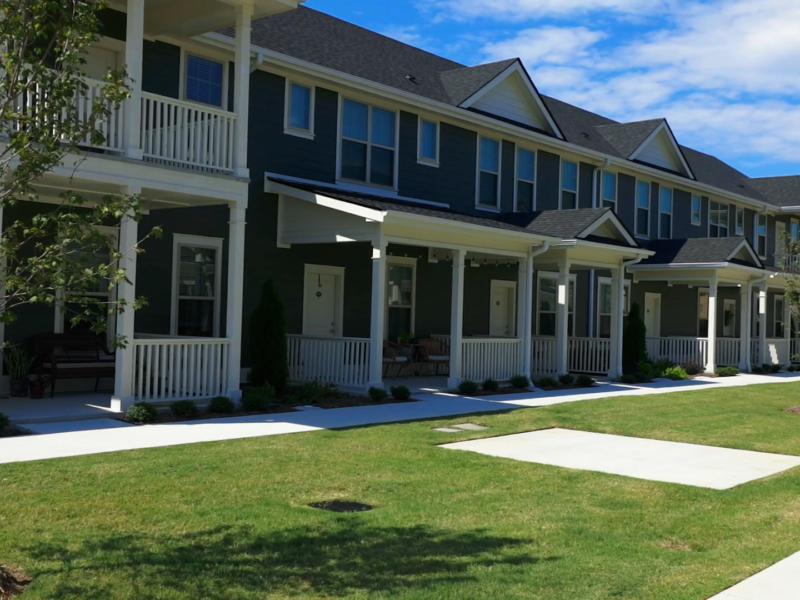
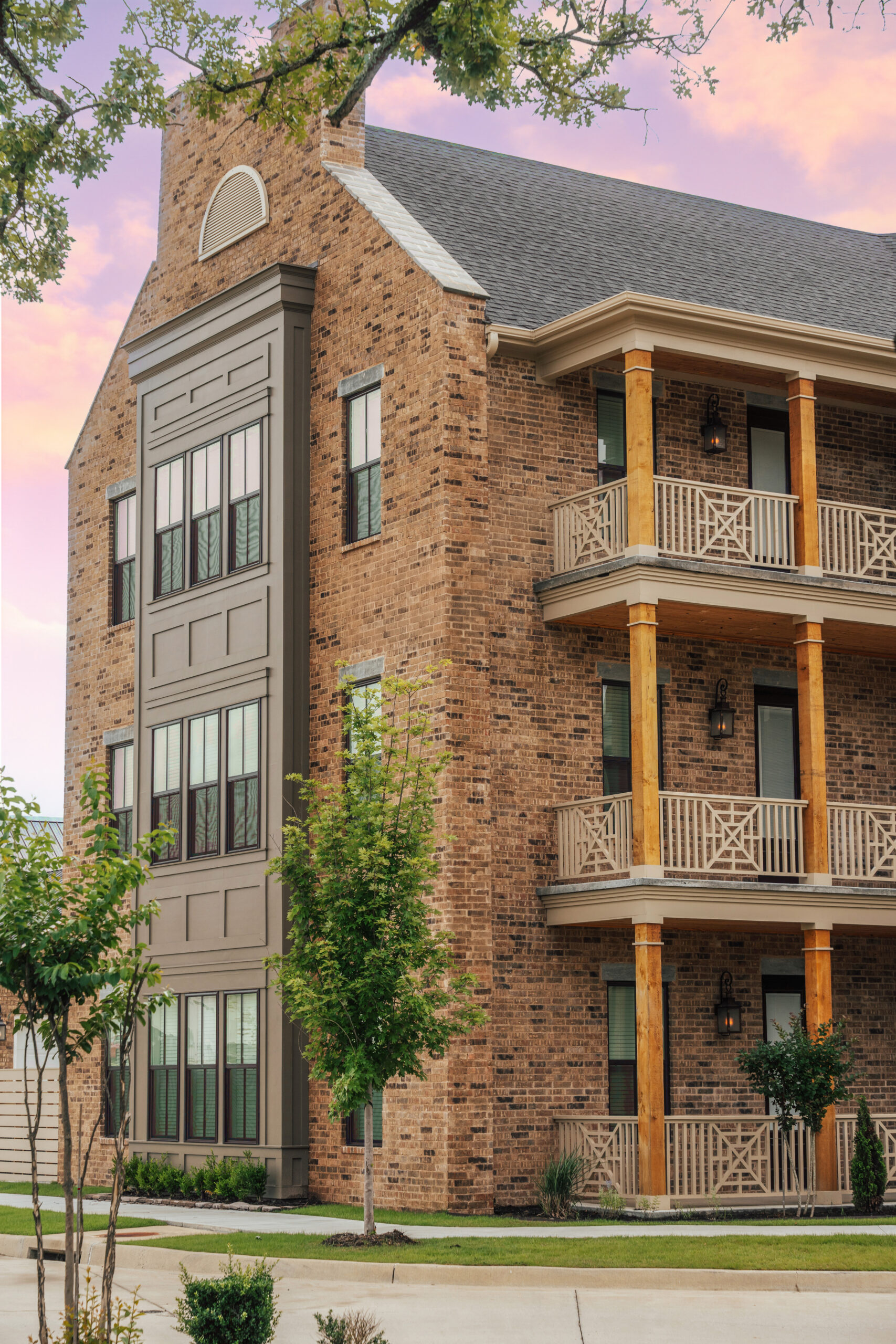
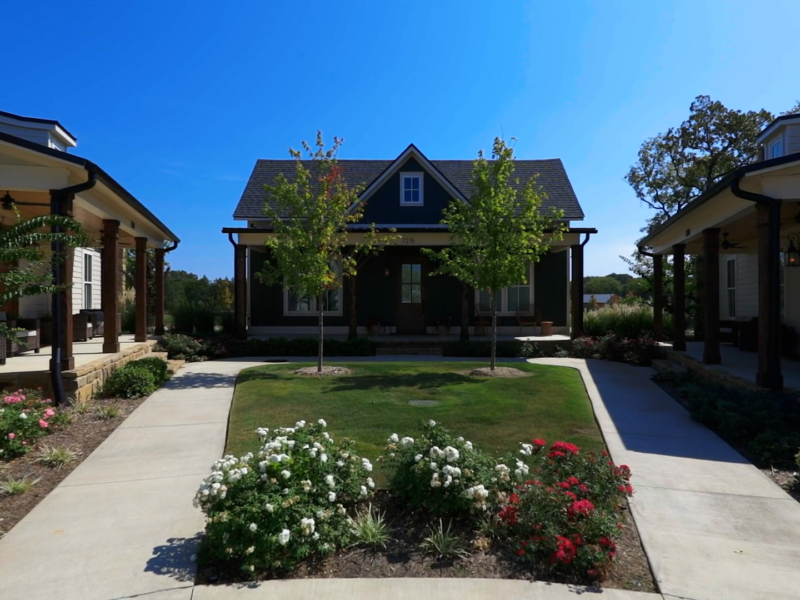
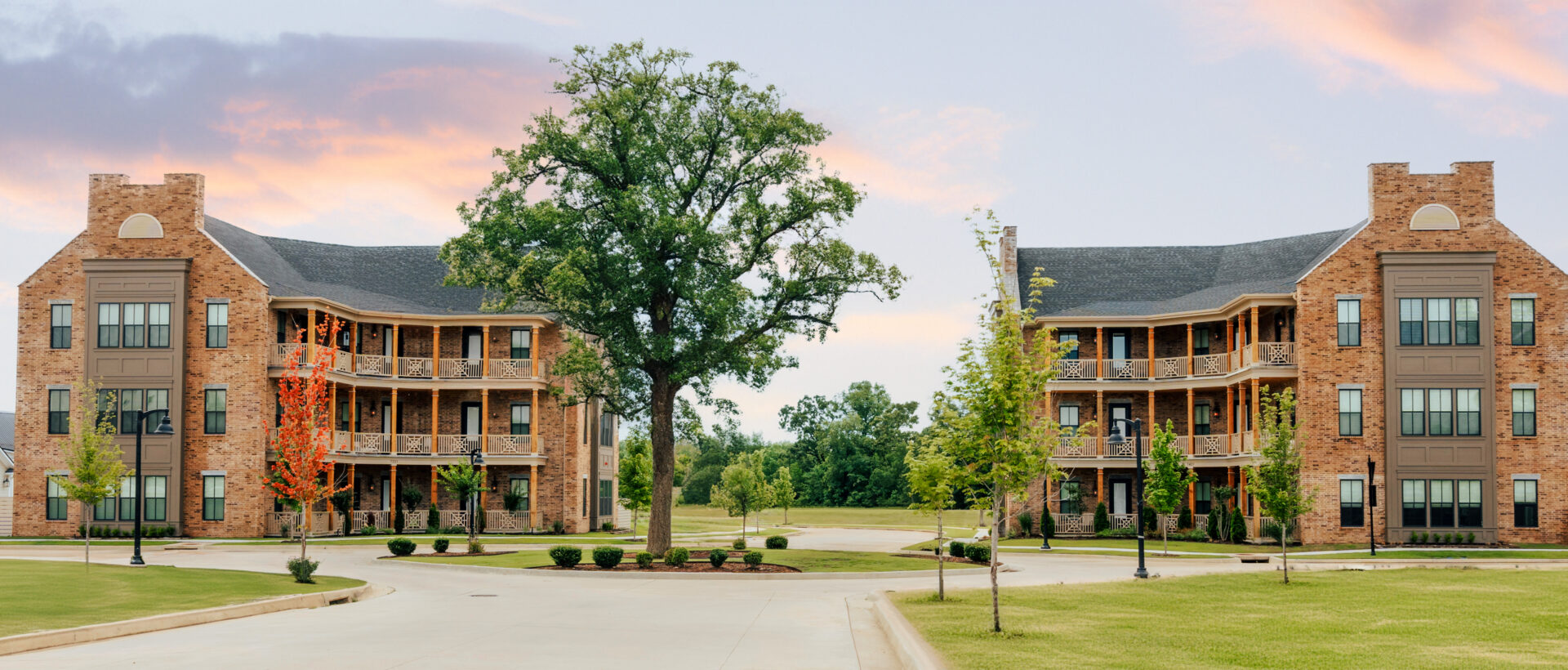
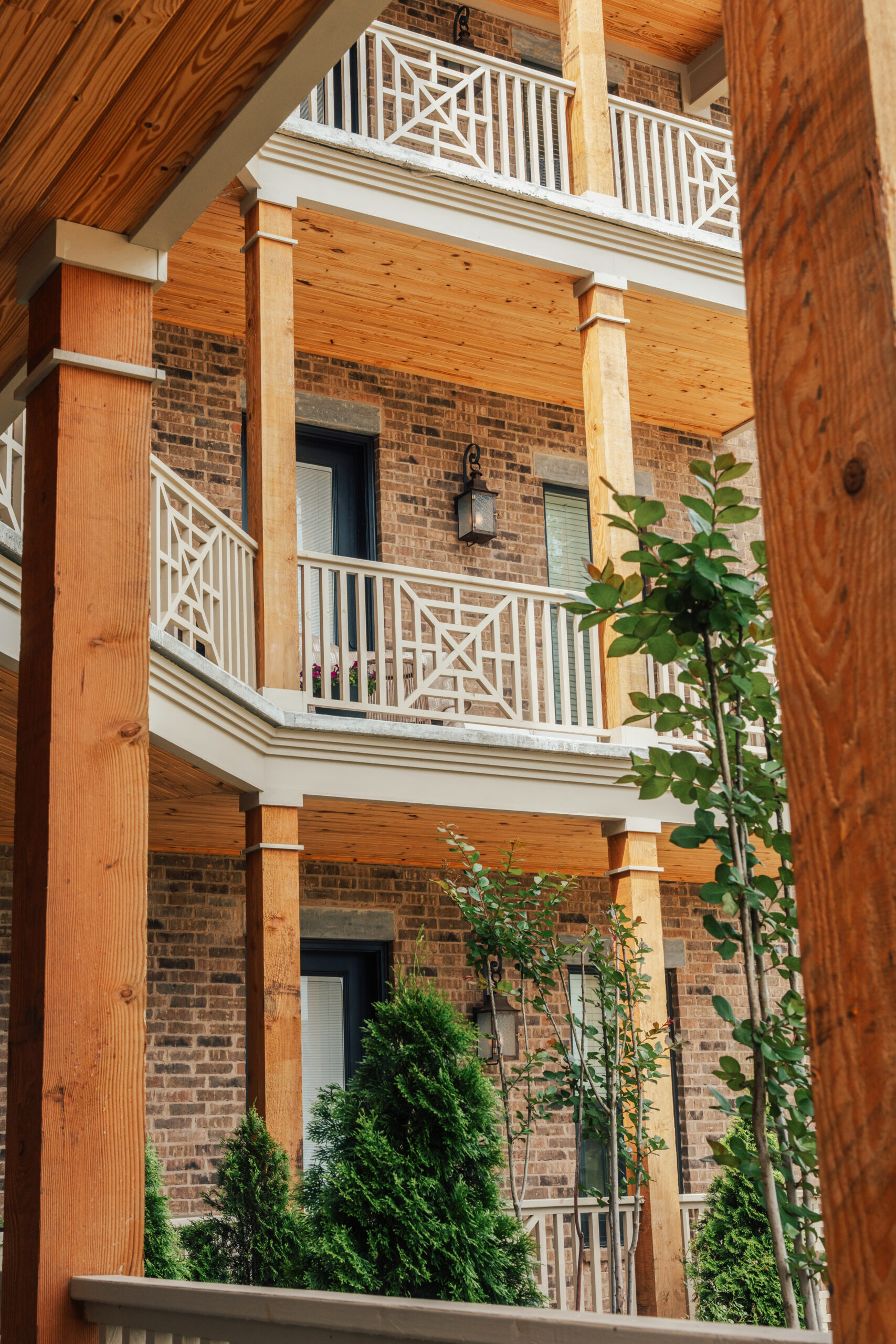
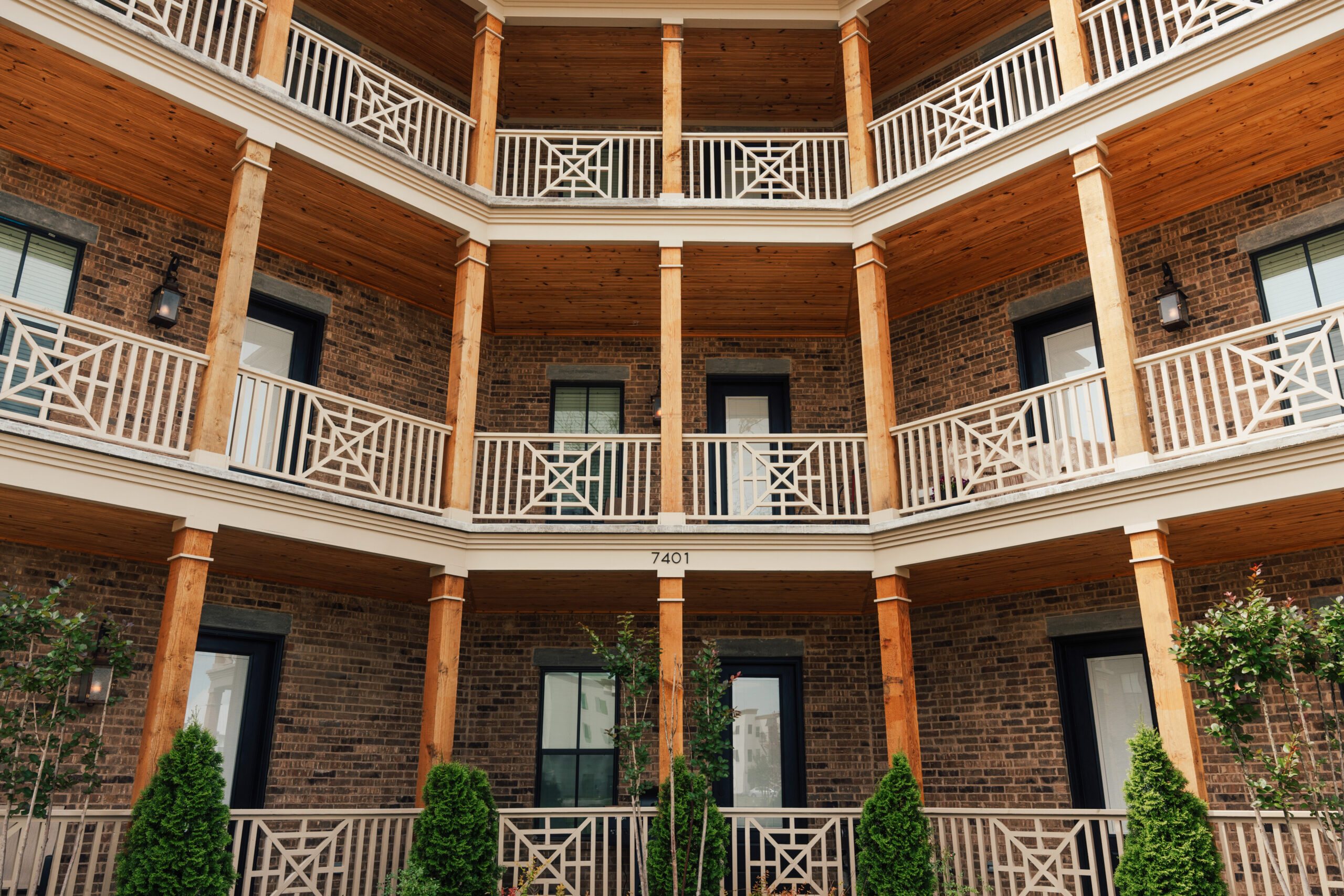
Chasen Garrett Architects was engaged to design the individual buildings within that framework. The work includes twelve single-family homes — each distinct in design, each compatible with its neighbors — three types of townhouses, and multifamily apartments, all developed in phases as the neighborhood has grown. Arkansas Colleges of Health Education is the client for the student housing. Rick Mooney Construction built and developed most of the privately owned housing. One of the single-family homes was built speculatively by Ryan Brown of Rock Ridge Homes of Alma, Arkansas — and was subsequently purchased by Chasen Garrett himself, who lived in the neighborhood for two years. That is not a detail we include casually.
Heritage sits on ground with a long and layered history. The land was acquired by the U.S. Army in 1941, displacing 712 families, farms, and businesses to build Camp Chaffee — a World War II training base that sent armored divisions into combat across Europe, later served as a prisoner of war camp, a resettlement site for Vietnamese refugees after the fall of Saigon, and a processing camp for Cuban refugees during the Mariel Boatlift. In 1995, the Base Realignment and Closure Commission recommended Fort Chaffee’s closure, returning more than 7,000 acres to the community. The Fort Chaffee Redevelopment Authority was charged with building something worthy of that ground — and what has emerged at Chaffee Crossing is one of the most successful BRAC redevelopments in the country, with more than $2.4 billion in projected capital investment and a growing community that has become the brightest economic corridor in the River Valley.
Heritage is part of that story. Chasen Garrett Architects’ own office is located within the community — on the same streets we designed, among the same neighbors we helped house. We are not observers of this place. We are part of it.